950+ Chinese Last Names: Surnames, Unique, Boys, Girls, Pretty
Welcome to a captivating exploration of Chinese last names. This article presents a diverse selection of names, each with its own unique meaning and cultural significance. Whether you are searching for names for characters, projects, or simply want to learn more about the rich tapestry of Chinese heritage, you’ll find a treasure trove of options within these sections. Let’s dive into the fascinating world of Chinese last names.
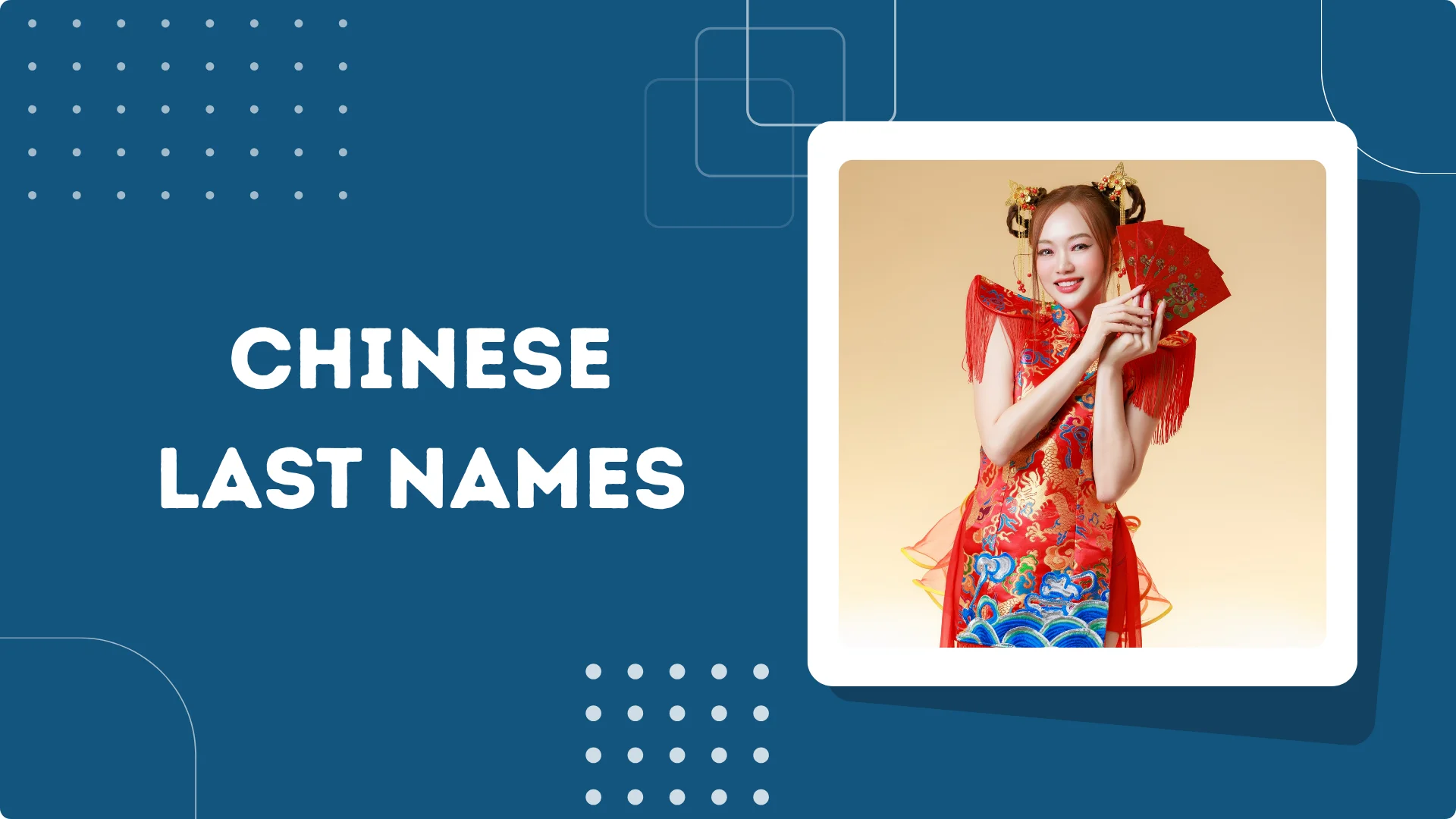
The Power of Names in Chinese Culture
In Chinese culture, names are not just labels; they carry deep meanings and history. Choosing the right name can reflect one’s identity and values, making it essential in various contexts. This article explores the beauty and significance of Chinese last names, showcasing their meanings and cultural relevance.
Chinese Last Names And Meanings
This section unveils a list of Chinese last names along with their meanings, reflecting the richness of Chinese language and heritage.
- Li (李) – plum
- Wang (王) – king
- Zhang (张) – to open
- Liu (刘) – to kill
- Chen (陈) – to exhibit
- Yang (杨) – poplar tree
- Zhao (赵) – to shine
- Huang (黄) – yellow
- Wu (吴) – a state in ancient China
- Xu (徐) – slow
- Sun (孙) – grandson
- Ma (马) – horse
- Qin (秦) – to move
- Guo (郭) – outer wall
- Lin (林) – forest
- He (何) – what
- Gao (高) – tall
- Jiang (江) – river
- Peng (彭) – to expand
- Yuan (袁) – origin
- Song (宋) – song dynasty
- Shen (沈) – to sink
- Wang (汪) – vast
- Fang (方) – square
- Chen (辰) – to shine
- Liang (梁) – bridge
- Wen (文) – culture
- Xie (谢) – to thank
- Lu (陆) – land
- Rong (荣) – glory
- Yao (姚) – to beckon
- Jin (金) – gold
These names embody the essence of Chinese culture, with meanings that connect to nature, history, and virtues. They portray a rich narrative, making them ideal for storytelling or character creation.
Use these names in fiction, role-playing games, or any creative project that seeks to honor Chinese heritage and storytelling traditions.
Royal Chinese Last Names
This section focuses on last names historically associated with royalty, nobility, and influential figures in Chinese history.
- Li (李) – royal lineage
- Zhao (赵) – from Zhao kingdom
- Yuan (袁) – from the Yuan dynasty
- Chen (陈) – from noble families
- Wang (王) – meaning king or monarch
- Liu (刘) – from the Han dynasty
- Zheng (郑) – from the Zheng dynasty
- Sun (孙) – descendant of Sun Wu
- Gao (高) – highborn
- Song (宋) – from the Song dynasty
- Shen (沈) – noble origin
- Qin (秦) – from the Qin dynasty
- He (何) – from noble families
- Xie (谢) – from royal courts
- Lu (陆) – from influential clans
- Jin (金) – golden lineage
- Huang (黄) – imperial connection
- Fan (范) – from eminent families
- Xu (徐) – from historical monarchs
- Jiang (江) – from powerful clans
- Pang (庞) – significant family
- Wang (汪) – great heritage
- Zheng (曾) – ancestral nobility
- Qiu (邱) – noble descent
- Yin (尹) – from the ruling class
- Guan (关) – from royal lineage
- Fang (方) – from historical leaders
- Wen (文) – cultured nobility
- Shi (史) – historians and scholars
- Qiu (丘) – honored descent
- Pan (潘) – illustrious background
- Chen (程) – from noble families
The names in this section resonate with power, history, and nobility, making them suitable for characters of high status or stories set in royal courts.
These names work well for fantasy novels, historical dramas, or any creative projects that explore themes of royalty and heritage.
Unique Chinese Last Names
- Guo (国) – nation
- Shen (申) – to extend
- Feng (冯) – to soar
- Cui (崔) – steep
- Ying (应) – to respond
- Jing (景) – scenery
- Mo (莫) – to not
- Cheng (程) – journey
- Tang (唐) – from the Tang dynasty
- He (赫) – radiant
- Yuan (袁) – from the source
- Pei (裴) – to wear
- Sha (沙) – sand
- Yi (易) – easy
- Qian (钱) – money
- Liang (梁) – beam or bridge
- Fang (方) – square or direction
- Lan (兰) – orchid
- Qin (琴) – zither
- Yao (姚) – beautiful
- Jin (晋) – to advance
- Ying (莹) – crystal
- Xun (荀) – fragrant
- Huang (煌) – brilliant
- Yuan (园) – garden
- Ke (柯) – branch
- Bai (白) – white
- Yin (阴) – shadow
- Shui (水) – water
- Hua (华) – flower
- Li (黎) – black
- Xie (谢) – thankfulness
These unique names reflect individuality and can add flair to any narrative, making them perfect for creating memorable characters.
Consider using these names in creative writing, character development for games, or any project where uniqueness is key.
Chinese Last Names Male
Here, we present a selection of traditional Chinese male last names, often associated with strength and character.
- Li (李)
- Wang (王)
- Zhang (张)
- Liu (刘)
- Chen (陈)
- Yang (杨)
- Huang (黄)
- Zhao (赵)
- Sun (孙)
- Xie (谢)
- Guo (郭)
- Xu (徐)
- Jiang (江)
- Shen (沈)
- Xun (荀)
- Fang (方)
- Feng (冯)
- Gao (高)
- Yuan (袁)
- Mo (莫)
- Jin (金)
- Lu (陆)
- He (何)
- Qin (秦)
- Lin (林)
- Yao (姚)
- Huo (霍)
- Liang (梁)
- Peng (彭)
- Shu (舒)
- Wen (文)
- Qiao (乔)
These names evoke a sense of masculinity and strength, making them suitable for male characters in various settings.
Use these names in stories, role-playing games, or character creation where male representation is essential.
Chinese Last Names Female
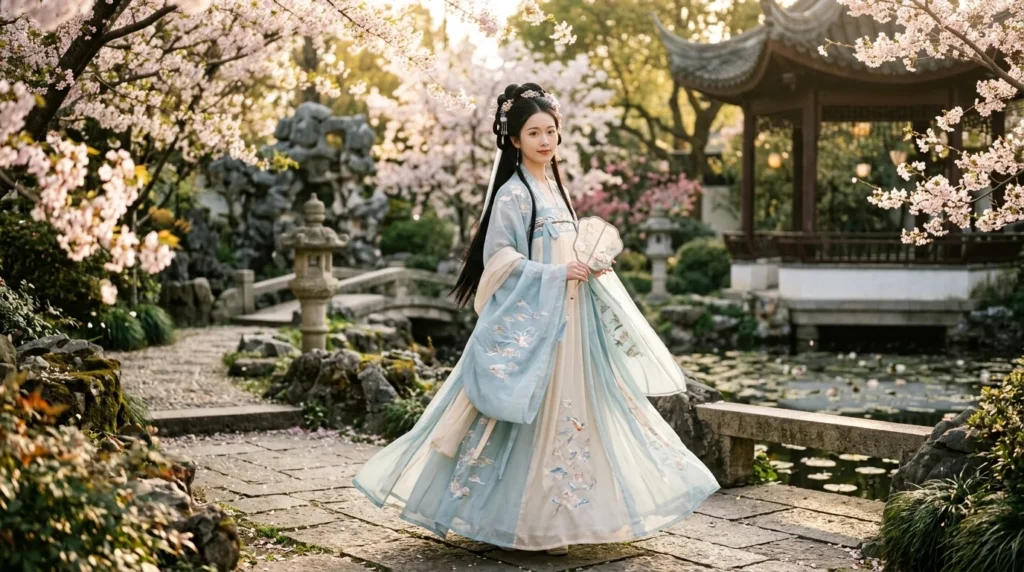
This section highlights traditional Chinese female last names, often associated with grace and beauty.
- Li (李)
- Wang (王)
- Zhang (张)
- Liu (刘)
- Chen (陈)
- Yang (杨)
- Huang (黄)
- Zhao (赵)
- Sun (孙)
- Xie (谢)
- Guo (郭)
- Xu (徐)
- Jiang (江)
- Shen (沈)
- Xun (荀)
- Fang (方)
- Feng (冯)
- Yuan (袁)
- Mo (莫)
- Jin (金)
- Lu (陆)
- He (何)
- Qin (秦)
- Lin (林)
- Yao (姚)
- Huo (霍)
- Liang (梁)
- Peng (彭)
- Shu (舒)
- Wen (文)
- Qiao (乔)
These names carry a sense of femininity and elegance, making them perfect for female characters in storytelling.
Incorporate these names into narratives, character profiles, or creative endeavors where female characters take center stage.
Cute Chinese Last Names
Explore a collection of adorable Chinese last names that bring a lighthearted and charming vibe to any project.
- Wei (魏)
- Ling (玲)
- Ying (莹)
- Mei (梅)
- Lan (兰)
- Xiao (小)
- Yun (云)
- Jing (静)
- Qing (清)
- Hua (花)
- Ni (妮)
- Rong (荣)
- Jia (佳)
- Jue (绝)
- Min (敏)
- Xi (喜)
- Rui (瑞)
- Yue (月)
- Qiao (巧)
- Yu (玉)
- Na (娜)
- Dan (丹)
- Mei (美)
- Jing (晶)
- Fen (芬)
- Ting (婷)
- Shu (书)
- Rui (瑞)
- Yun (韵)
- Ling (灵)
- Yun (云)
- Jin (金)
These cute names radiate warmth and playfulness, perfect for lighthearted stories or characters.
Consider these names for children’s stories, animated characters, or any creative work that wants to evoke joy and charm.
Powerful Chinese Last Names
Discover a selection of strong Chinese last names that convey authority and influence.
- Li (李)
- Wang (王)
- Zhang (张)
- Liu (刘)
- Chen (陈)
- Yang (杨)
- Huang (黄)
- Zhao (赵)
- Sun (孙)
- Guo (郭)
- Xu (徐)
- Jiang (江)
- Shen (沈)
- Qin (秦)
- Xun (荀)
- Fang (方)
- Feng (冯)
- Gao (高)
- Yuan (袁)
- Mo (莫)
- Jin (金)
- Lu (陆)
- He (何)
- Qiao (乔)
- Jin (金)
- Pan (潘)
- Yao (姚)
- Huo (霍)
- Liang (梁)
- Peng (彭)
- Shu (舒)
- Wen (文)
These powerful names are perfect for characters who embody strength, leadership, and resilience.
Use these names in stories, games, or narratives that require strong and authoritative characters.
Chinese Last Names Meaning Death
This section explores last names associated with death, reflecting cultural beliefs and traditions.
- Wang (亡) – to perish
- Mo (莫) – to not
- Yin (阴) – shadow
- Lu (鲁) – to be lost
- Qin (琴) – zither, associated with lament
- Zhao (赵) – to shine, but also can represent the end
- Xie (谢) – to decline
- Hu (胡) – decline
- Ying (影) – ghost or shadow
- Li (离) – to leave
- Shui (水) – water, often associated with the afterlife
- Fen (分) – to part
- Shen (神) – spirit
- Qiu (秋) – autumn, associated with endings
- Huang (黄) – yellow, symbolizing mourning
- Shui (水) – water, symbolizing the flow of life and death
- Yin (隐) – hidden, related to the unknown
- Huang (黄) – can also symbolize decay
- Xiong (熊) – bear, often associated with strength in death
- Shen (深) – deep, often associated with the depths of the afterlife
- Yin (音) – sound, often associated with memories
- Jiang (江) – river, symbolizing the passage of life
- Li (厉) – fierce, representing a strong departure
- Mo (墨) – ink, often used in memorials
- Yin (尹) – shadow, often associated with spirits
- Qin (琴) – music, often played in remembrance
- Yao (夭) – to die young
- He (赫) – radiant, often used in memorials
- Wang (亡) – lost, often referring to loss
- Huang (晃) – to flicker, representing fading light
- Chen (沉) – to sink, often related to burial
- Shu (书) – book, often used in eulogies
These names carry a somber yet profound significance, reflecting the cultural relationship with death and remembrance.
Consider these names for stories exploring themes of mortality, loss, and the afterlife, or for characters that interact with these concepts.
Chinese Last Names Rare
Discover a selection of rare Chinese last names that may not be widely known but hold unique cultural significance.

- Ji (纪) – record
- Jin (晋) – to advance
- Peng (彭) – to expand
- Song (宋) – from the Song dynasty
- Yin (尹) – to govern
- Chang (常) – often
- Wu (伍) – five
- Luo (罗) – net
- Qin (琴) – lute
- Jiang (蒋) – ginger
- Li (黎) – black
- Guan (关) – pass
- Lan (蓝) – blue
- Qiao (桥) – bridge
- Hua (华) – splendid
- Yue (月) – moon
- Huo (霍) – swift
- Fang (方) – square
- Tang (汤) – soup
- Tu (涂) – to paint
- Yuan (原) – plain
- Yin (饮) – to drink
- Guang (光) – light
- Min (敏) – quick
- Jue (绝) – to cut off
- Jing (晶) – crystal
- Lin (林) – forest
- Qing (青) – green
- Nan (南) – south
- Yuan (园) – garden
- Hua (化) – to transform
- Cheng (承) – to inherit
These rare names add a layer of uniqueness and depth to any narrative, making them excellent choices for creating memorable characters.
Use these names in fantasy worlds, historical narratives, or any context where rarity adds intrigue.
Chinese Last Names That Start With S
This section features a collection of Chinese last names that start with the letter “S,” each with its distinct meaning.
- Sun (孙) – grandson
- Shen (沈) – deep
- Shi (史) – history
- Song (宋) – from the Song dynasty
- Shu (书) – book
- Su (苏) – to revive
- Shu (舒) – comfortable
- Si (司) – to manage
- Shao (邵) – to ascend
- Sheng (盛) – flourishing
- Shan (山) – mountain
- Si (丝) – silk
- Su (素) – plain
- Shui (水) – water
- Shuan (涮) – to wash
- San (三) – three
- Shu (树) – tree
- Shuang (双) – double
- Shen (神) – spirit
- Si (四) – four
- Song (松) – pine
- Shu (鼠) – rat
- Shen (申) – to extend
- Shou (寿) – longevity
- Sha (沙) – sand
- Shen (深) – profound
- Sui (随) – to follow
- Sheng (声) – sound
- Shan (善) – good
- Sing (醒) – to wake
- Shu (鼠) – mouse
- Shun (顺) – to obey
These “S” names embody various qualities and traits, making them versatile for different character types.
Incorporate these names into character development for stories, games, or any creative projects where thematic resonance is key.
Chinese Last Names Starting With L
This section presents a compilation of Chinese last names beginning with the letter “L,” showcasing their meanings.
- Li (李) – plum
- Liu (刘) – to kill
- Lin (林) – forest
- Lu (陆) – land
- Liang (梁) – bridge
- Liao (廖) – to depart
- Luo (罗) – net
- Lu (鲁) – to be lost
- Long (龙) – dragon
- Luo (骆) – camel
- Liang (亮) – bright
- Ling (玲) – tinkling
- La (拉) – to pull
- Li (黎) – black
- Lan (蓝) – blue
- Ling (灵) – spirit
- Le (乐) – happiness
- Li (利) – profit
- Lang (狼) – wolf
- Lu (鹿) – deer
- Lu (律) – law
- Lu (露) – dew
- Lu (鲁) – foolish
- Lin (邻) – neighbor
- Li (理) – reason
- Le (乐) – music
- Lan (岚) – wind
- Li (莉) – lily
- Lin (琳) – jade
- Long (隆) – prosperous
- Lai (来) – to come
These names starting with “L” evoke a variety of themes, suitable for characters with different backgrounds and stories.
Utilize these names in creative writing, role-playing scenarios, or any context where distinct character identity matters.
Chinese Last Names Meaning Moon
This section highlights last names associated with the moon, reflecting its beauty and significance in Chinese culture.
- Yue (月) – moon
- Jin (金) – gold, often associated with the moonlight
- Huang (黄) – yellow, symbolizing the moon’s glow
- Lan (兰) – orchid, often blooming under the moonlight
- Yin (阴) – shadow, representing the moon at night
- Shui (水) – water, reflecting the moon’s image
- Qing (清) – clear, often used to describe moonlit nights
- Mei (梅) – plum, associated with moon festivals
- Jing (静) – quiet, representing the stillness of night
- Hui (辉) – radiance, often associated with the moon’s light
- Ying (影) – shadow, reflecting moonlight
- Fang (芳) – fragrance, often associated with flowers blooming at night
- Yue (跃) – to leap, often used in poetry about the moon
- Huo (火) – fire, representing the moon’s brightness
- Yao (瑶) – precious, often linked to the beauty of the moon
- Rui (瑞) – auspicious, often associated with moon celebrations
- Shuang (霜) – frost, symbolizing the glow of the moon on winter nights
- Qiao (巧) – clever, often used in moon-related folklore
- Lan (澜) – wave, reflecting the moon’s influence on tides
- Jia (佳) – beautiful, associated with the beauty of the moon
- Tian (天) – sky, where the moon resides
- Qin (琴) – zither, often played during moonlit gatherings
- Yuan (园) – garden, often admired under the moonlight
- Qing (青) – green, symbolizing the life under the moon’s light
- Shan (山) – mountain, often depicted in moonlit landscapes
- Yin (吟) – to chant, often done under the moon
- Shu (树) – tree, often providing shade under the moonlight
- Li (丽) – beautiful, often used in poetry about the moon
- Huang (煌) – bright, reflecting the moon’s brilliance
- Jie (洁) – pure, associated with the purity of the moon
- Yun (云) – cloud, often obscuring the moon
- Ying (盈) – full, representing the full moon
These names connected to the moon convey beauty, serenity, and cultural significance, making them perfect for characters or themes related to night and nature.
Consider these names for poetry, storytelling, or any creative work that celebrates the beauty of the moon and its influence.
Common Chinese Last Names
This section lists some of the most common Chinese last names, widely recognized and used in various contexts.

- Li (李)
- Wang (王)
- Zhang (张)
- Liu (刘)
- Chen (陈)
- Yang (杨)
- Huang (黄)
- Zhao (赵)
- Sun (孙)
- Xie (谢)
- Guo (郭)
- Xu (徐)
- Jiang (江)
- Shen (沈)
- Qin (秦)
- Xun (荀)
- Fang (方)
- Feng (冯)
- Gao (高)
- Yuan (袁)
- Mo (莫)
- Jin (金)
- Lu (陆)
- He (何)
- Qiao (乔)
- Shu (舒)
- Huo (霍)
- Liang (梁)
- Peng (彭)
- Shu (书)
- Wen (文)
These common names represent a significant portion of the Chinese population, making them relatable and recognizable.
Use these names in contemporary stories, character backgrounds, or everyday scenarios where commonality is key.
Popular Chinese Last Names
Here, we showcase a collection of popular Chinese last names that are frequently used and carry cultural significance.
- Li (李)
- Wang (王)
- Zhang (张)
- Liu (刘)
- Chen (陈)
- Yang (杨)
- Huang (黄)
- Zhao (赵)
- Sun (孙)
- Xie (谢)
- Guo (郭)
- Xu (徐)
- Jiang (江)
- Shen (沈)
- Qin (秦)
- Xun (荀)
- Fang (方)
- Feng (冯)
- Gao (高)
- Yuan (袁)
- Mo (莫)
- Jin (金)
- Lu (陆)
- He (何)
- Qiao (乔)
- Shu (舒)
- Huo (霍)
- Liang (梁)
- Peng (彭)
- Shu (书)
- Wen (文)
These names are often seen in various contexts, making them versatile for character creation and storytelling.
Incorporate these names into narratives, modern stories, or any creative work where relatability is important.
Ancient Chinese Last Names
Explore a compilation of last names that have historical roots, reflecting the ancient heritage of China.
- Li (李)
- Wang (王)
- Zhang (张)
- Liu (刘)
- Chen (陈)
- Yang (杨)
- Huang (黄)
- Zhao (赵)
- Sun (孙)
- Xie (谢)
- Guo (郭)
- Xu (徐)
- Jiang (江)
- Shen (沈)
- Qin (秦)
- Xun (荀)
- Fang (方)
- Feng (冯)
- Gao (高)
- Yuan (袁)
- Mo (莫)
- Jin (金)
- Lu (陆)
- He (何)
- Qiao (乔)
- Shu (舒)
- Huo (霍)
- Liang (梁)
- Peng (彭)
- Shu (书)
- Wen (文)
These ancient names carry a sense of history and tradition, making them suitable for characters in historical fiction.
Utilize these names to enrich narratives, historical dramas, or any creative projects that delve into the past.
Filipino Chinese Last Names
This section highlights last names commonly found among Filipino-Chinese communities, reflecting a blend of cultures.
- Chua (蔡)
- Cruz (十字)
- Lim (林)
- Tan (陳)
- Sy (施)
- Go (吳)
- Lee (李)
- Yap (葉)
- Lu (陸)
- Huang (黃)
- Gonzales (貴)
- Te (邓)
- Cheng (程)
- Jiang (江)
- Lim (林)
- Tan (譚)
- Li (李)
- Ang (黃)
- Ho (何)
- Cheng (鄭)
- Yue (月)
- Tan (陳)
- Lee (李)
- Yap (葉)
- Lu (陸)
- Huang (黃)
- Gonzales (貴)
- Te (邓)
- Cheng (程)
- Jiang (江)
- Lim (林)
These names reflect the cultural fusion of Filipino and Chinese heritages, making them unique and meaningful.
Use these names in stories that explore cultural intersections, character backgrounds, or any creative works that celebrate diversity.
Quick Tips For Nailing Your Chinese Last Names
- Understand the cultural significance of each name to ensure it fits your narrative.
- Consider the phonetic sound of the name, as it plays a crucial role in its impact.
- Mix and match names to create unique combinations for characters or projects.
- Pay attention to meanings, especially if they play a role in character development.
- Research common uses of names to ensure they resonate well with your audience.
Frequently Asked Questions
What makes a Chinese last name significant?
A Chinese last name often carries historical, cultural, and familial significance, reflecting lineage and heritage. The meaning behind a name can also convey virtues, qualities, or aspirations.
How do I choose a name for my character?
Consider the character’s background, personality, and the cultural context in which they exist. Names should resonate with their story and reflect their traits or aspirations.
Are there common themes in Chinese last names?
Yes, many Chinese last names are linked to nature, virtues, or historical figures. Understanding these themes can help in choosing a name that fits your character or project.
Can I use these names in my creative works?
Absolutely! These names are meant to inspire creativity and can be adapted for various contexts, whether in storytelling, games, or other creative projects.
How can I ensure the names I choose are culturally appropriate?
Research the cultural meanings and historical significance of names. It’s also beneficial to consult with native speakers or cultural experts to ensure accuracy and respect.
Conclusion
This extensive compilation of Chinese last names provides a rich resource for anyone looking to explore the depth of Chinese culture and heritage. Whether you’re crafting a story, developing characters, or just curious about the meanings behind these names, we hope you found inspiration here. Embrace the beauty of names and let them enhance your creative endeavors.